WHY YOUR MALARIA TREATMENT KEEPS FAILING
Malaria medication not working? The problem may not be the medications, but the diagnosis 🤒. In Nigeria, many people treat every fever as malaria, skipping simple lab tests that reveal the real cause. At Fastlab, we help you test first, treat right, and avoid wasting money on the wrong medications.
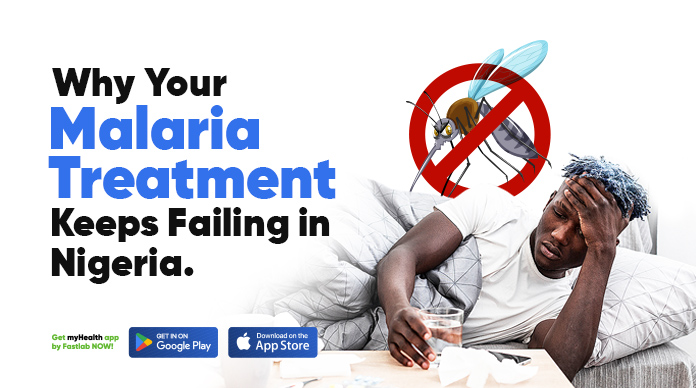
In many Nigerian homes, fever signals malaria. When headache and body heaviness begin, the conclusion follows. A quick trip to the pharmacy results in antimalarial drugs and immediate treatment. Yet, for many, symptoms persist. Fever returns. Weakness lingers. Another medication round begins, sometimes adding antibiotics, but no lasting improvement occurs. When malaria treatment fails, the issue often lies in diagnosis, not the medication.
A common error is treating malaria without proper testing. Fever, chills, fatigue, and body pain suggest malaria, but also appear in typhoid, urinary tract infections (UTIs), viral infections, and stress-related illnesses. Even Mental Wellness plays a role, as high levels of chronic stress can manifest as physical exhaustion and low-grade fever that no antimalarial can cure.Without lab confirmation, the exact illness remains unknown. Malaria treatment failure can happen due to these reasons.
"Fake" Medication vs. Resistance;
This overlap creates a cycle: assuming malaria, treating it, failing to improve, and then blaming ineffective or "fake" medication. While sub-standard medication is a concern, treatment failure is more often due to treating the wrong illness entirely.
Furthermore, even when malaria is present, self-medication often leads to incomplete treatment. Stopping medication once you "feel better" without finishing the full course allows the strongest parasites to survive, leading to drug resistance and a much harder-to-treat infection, a few weeks later.
The Trap of the False Negative;
Many people take a single dose of an anti-malarial "just to start treatment" before heading to a lab. This is a mistake. Taking even one dose can suppress parasite levels enough to cause a false negative result on a test, while not being enough to actually cure the infection. This "masks" the disease, leaving the patient confused and still very ill. Accurate testing saves money. Proper malaria testing in Nigeria is straightforward and accessible. A parasite test confirms infection quickly and accurately. Yet, many skip testing to start medication faster, intending to save time and money.
Ironically, this often costs more. Treating the wrong illnesses delays recovery, leads to multiple drug purchases, and exposes the body to unnecessary medication. Repeated drug use can strain organs like the liver and kidneys, turning manageable infections into prolonged health issues.
Identifying Co-infections are common in Nigeria. A patient may have malaria alongside bacterial or urinary tract infections. Treating only malaria leaves problems unresolved. Without broader diagnostics such as a Full Blood Count (FBC) or Urinalysis, key clues are missed.
What Should Change?
The key shift is simple: diagnose before treating. Instead of asking, “What drug should I take?” ask, “What does my blood actually say?” In Lagos, where busy schedules and traffic stress healthcare, rushing is tempting. However, healthcare innovation is making this easier. You no longer need to spend all day in a hospital waiting room; you can leverage telehealth in Nigeria to speak with a professional from your phone.
Adopt this change my downloading “fastlab myHealth App” to get expert consultation and guidance on which tests suit your symptoms.
Evidence-Based Recovery;
If the fever lasts over two days, symptoms return after treatment, or multiple malaria treatments fail quickly, testing is mandatory. The body signals that something was missed. Healthcare should rely on evidence, not assumptions.
At Fast Lab, the focus is clear: promote informed decisions before medication. By using Fastlab myHealthapp, patients can track their results, manage their records, and embrace the benefits of digital health. Through medical consultation and verified lab testing, patients understand their condition before treatment. Malaria remains common here in Nigeria. But not every fever is malaria. When treatment fails, stronger drugs rarely solve the problem; better information does. Before your next medication course, confirm the cause. A simple test today, prevents weeks of uncertainty tomorrow.
Click to Install "fastlab myHealth " App Now.