Mitigating Ebola Importation Risks in Nigeria Through Fastlab and the myHealth App
The Nigeria Centre for Disease Control and Prevention (NCDC) has officially classified the risk of Ebola Virus Disease (EVD) importation into Nigeria as high (Nigeria Centre for Disease Control and Prevention [NCDC], 2026). Driven by expanding outbreaks in the Democratic Republic of Congo (DRC) and Uganda, this classification comes in response to the World Health Organisation's (WHO) declaration of these outbreaks as a Public Health Emergency of International Concern (PHEIC) (NCDC, 2026).
The Nigeria Centre for Disease Control and Prevention (NCDC) has officially classified the risk of Ebola Virus Disease (EVD) importation into Nigeria as high (Nigeria Centre for Disease Control and Prevention [NCDC], 2026). Driven by expanding outbreaks in the Democratic Republic of Congo (DRC) and Uganda, this classification comes in response to the World Health Organisation's (WHO) declaration of these outbreaks as a Public Health Emergency of International Concern (PHEIC) (NCDC, 2026).
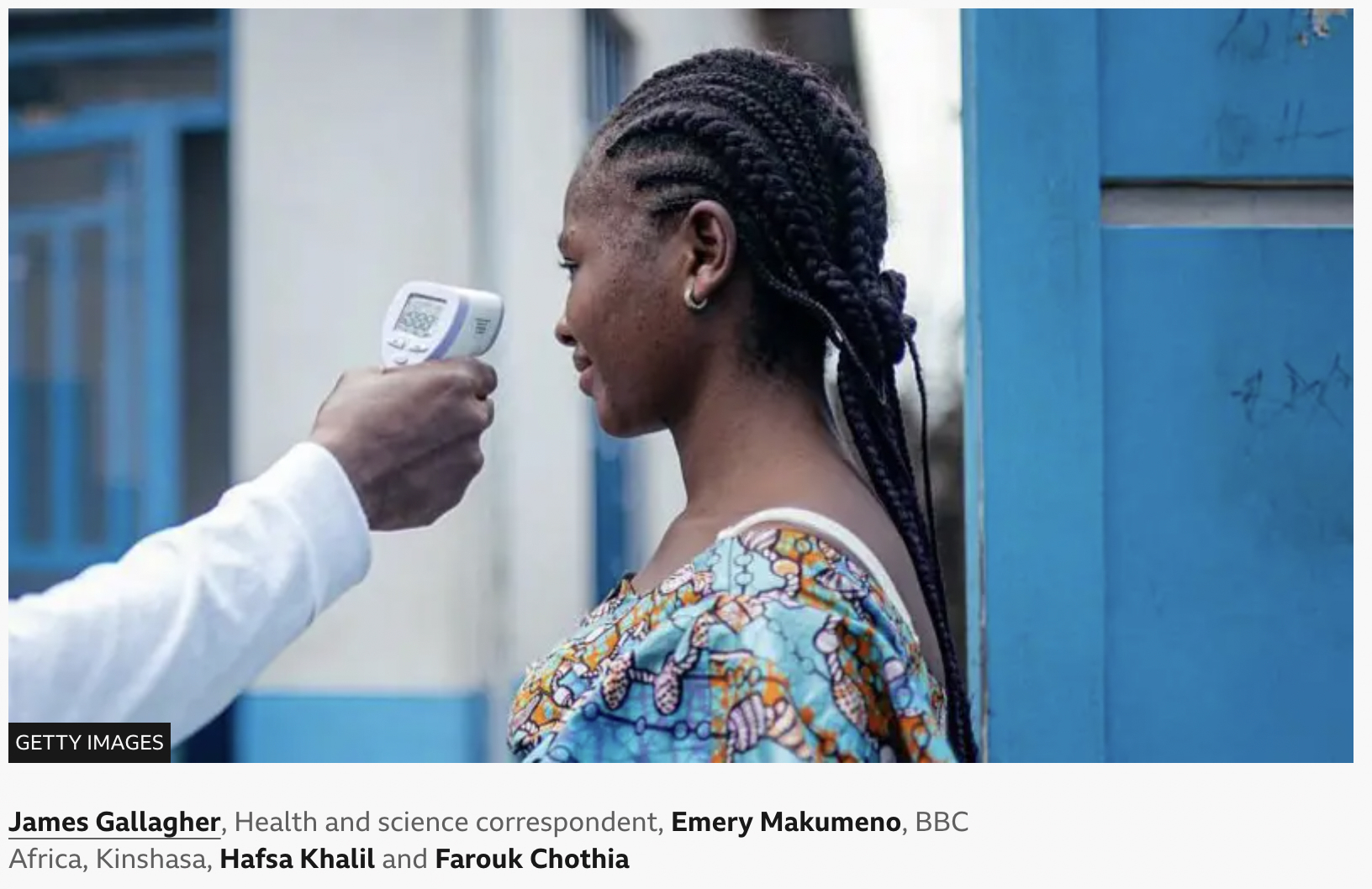
While the Federal Airports Authority of Nigeria (FAAN) and Port Health Services have already activated enhanced screening and thermal monitoring at major points of entry (Federal Airports Authority of Nigeria [FAAN], 2026), institutional surveillance alone is not enough. To truly safeguard a country with a massive population density and highly fluid cross-border mobility, decentralised digital health systems must step in.
The integration of private laboratory infrastructure like Fastlab Telehealth Services Limited and consumer-facing mobile solutions like the myHealth app presents a critical mechanism for early detection, community triaging, and risk prevention.
The Landscape of Importation Risk in Nigeria
Nigeria’s history with Ebola—most notably the successful containment of the 2014 outbreak sparked by a single commercial air traveller—demonstrates that rapid, decisive action saves lives. However, the current regional transmission landscape presents unique modern challenges:
- Symptom Overlap with Endemic Illnesses: Early detection is inherently difficult because initial Ebola symptoms (fever, profound weakness, joint pain, and headaches) identically mimic highly prevalent endemic diseases in Nigeria, such as malaria, typhoid, and Lassa fever (NCDC, 2026). This overlap frequently leads to delayed recognition and dangerous misdiagnoses at primary healthcare facilities.
- High-Volume Transit Hubs: As a major West African economic epicentre, international airports in Lagos and Abuja handle tens of thousands of regional transit passengers daily. A significant portion of these travellers connect through regional hubs that share direct borders with affected zones in East and Central Africa (NCDC, 2026).
- The 21-Day Incubation Window: Because the Ebola virus has an incubation period ranging from 2 to 21 days, an exposed traveller can easily pass through airport thermal imaging completely asymptomatic, only to develop a high viral load and become infectious days after settling into local communities.
The Preventive Role of Fastlab and the myHealth App
To prevent an imported case from mutating into a localised outbreak, the containment strategy must move from reactive treatment to proactive, decentralised surveillance.
1. Digital Symptom Screening & Passive Surveillance via myHealth app
The myHealth app can serve as a primary line of defence by embedding a 21-Day Travel Health Tracker directly within its user interface.
- Targeted In-App Prompts: The app can push automated check-in notifications to users who have recently travelled internationally or reside near major border corridors.
- Differential Symptom Triaging: Given that Ebola symptoms overlap with malaria and Lassa fever, the app’s symptom-checker logic can utilise dynamic risk-scoring. For example, if a user logs a persistent fever plus unexplained fatigue or gastrointestinal distress, the app can immediately cross-reference this data with their recent 21-day travel history.
- Quarantine Guidance: If a high-risk profile is flagged, the app can instantly issue strict home-isolation guidelines and prevent the user from physically presenting at a crowded local clinic, thereby eliminating secondary community transmission.
2. Guarded Medical Protocols & Rapid Triage at Fastlab
For individuals requiring diagnostic clarity, Fastlab can establish structured, contactless triage workflows driven by myHealth data.
- Telehealth Consultation First: Before a patient steps into a physical Fastlab partner lab for a routine malaria or typhoid test, they can be routed through a mandatory myHealth video consultation. This ensures clinical case definitions are verified remotely by licensed telehealth physicians.
- Aggressive Infection Prevention and Control (IPC): If a suspected viral haemorrhagic fever profile is identified, Fastlab centres can immediately execute specialised IPC protocols. This prevents the accidental exposure of medical laboratory scientists and ensures rapid escalation to state epidemiologists and the NCDC's activated National Incident Management System (NIMS) (NCDC, 2026).
3. Aggressive Public Risk Communication
Public panic and misinformation are as dangerous as the virus itself. Utilising the established weekly #AskADoctor virtual health sessions, Fastlab and myHealth can launch aggressive, fact-based risk communication campaigns. These live sessions can be used to educate the public on true transmission dynamics (direct contact with bodily fluids), debunk false therapeutic claims, and train families on how to safely monitor returning international travellers.
Actionable Preventive Protocols
To conceptualise how a private-public digital health alliance responds to an active biological threat, the operational workflow below outlines how the myHealth app and Fastlab infrastructure can process a high-risk individual securely:
Emergency Response Workflow
- Step 1: Self-Reporting & Risk-Profiling (Within 21 days of arrival)
- A traveller returning to Lagos logs a sudden onset of fever and muscle pain in the myHealth app. The app's algorithmic screening prompts a mandatory travel-history questionnaire, immediately identifying regional transit through an active outbreak zone.
- Step 2: Automated Isolation & Tele-Triage (Instantaneous execution)
- The app restricts the user from booking an in-person clinic visit. It issues localised home-quarantine protocols and automatically schedules an immediate, zero-cost Fastlab Telehealth consultation with an epidemiologist-trained physician.
- Step 3: Fastlab Facility Pre-Alert (Prior to diagnostic routing)
- If the telehealth physician confirms a high index of suspicion, Fastlab's central operations are alerted. Rather than collecting blood samples at a standard walk-in laboratory (which poses a catastrophic exposure risk), Fastlab coordinates directly with government public health authorities.
- Step 4: Official Escalation & Molecular Testing (Within 2 to 4 hours)
- The case is formally escalated via the NCDC's activated Incident Management System. Specialised state rapid response teams are deployed to transport the patient to a designated isolation centre, where definitive molecular testing is conducted at an accredited containment laboratory (NCDC, 2026).
By combining robust institutional border screening with agile, private-sector digital health ecosystems like Fastlab and myHealth, Nigeria can effectively construct a multi-tiered bio-surveillance shield—catching threats quietly at the digital perimeter before they reach our communities.
Click here to install the myHealth app.